top of page
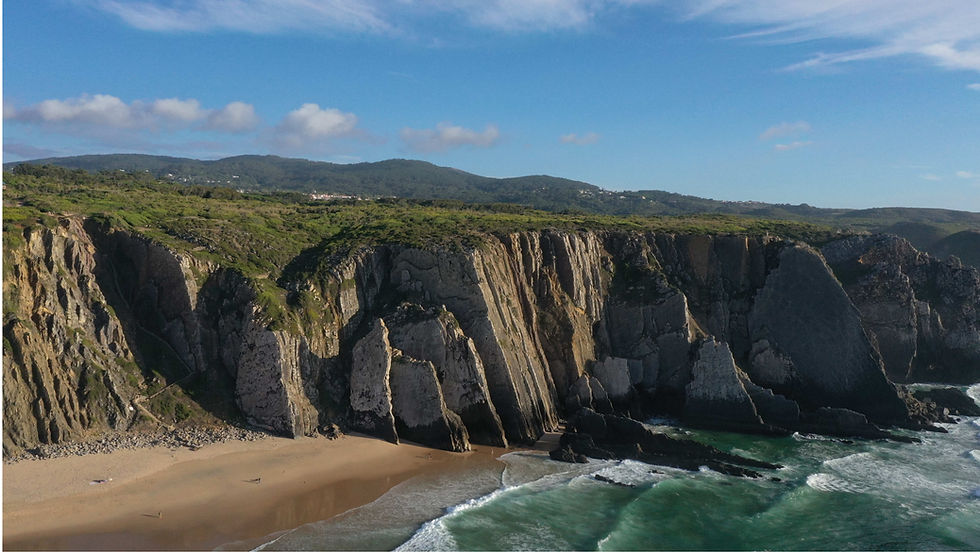
Praia Grande
Na face norte da Praia Grande do Rodízio, perto da escadaria que sobe até ao topo da falésia, avistam-se pegadas de dinossauros bem preservadas, incrustadas numa camada vertical de calcário — um raro vislumbre da fauna que habitava esta costa há cerca de 120 milhões de anos. Estas camadas verticais são o resultado da ascensão do Batólito de Sintra.
Em baixo, na areia da praia, várias vias de escalada foram abertas na década de 1980 por pioneiros como Fanã, Rogério Morais, José Luís Carvalho e Pedro Cid, entre outros. Algumas destas vias — incluindo Fendas Oeste e Parede Norte — são hoje raramente repetidas, sobretudo devido à qualidade do calcário, à presença de banhistas e ao facto de as pegadas de dinossauros nas proximidades serem agora um sítio protegido. Não muito longe dali, a Fissura Z, aberta na década de 1990 por Sérgio Bruno, comprova que boas vias podem ser encontradas onde menos se espera. E para os escaladores com olhar atento, os penhascos aqui podem ainda guardar mais vias escondidas, à espera de serem descobertas.

Praia da Adraga
Logo ao sul da Praia do Adraga fica a Praia do Cavalo. Na sua parede voltada para o norte, há um incrível teto de calcário a 45º — quase como uma Kilterboard natural.
Continuando para o sul, encontraremos outros locais de escalada, como a Pirâmide de Alvidrar — uma impressionante pirâmide de rocha acessível apenas na maré baixa e raramente escalada — e a Ravina do Abrigo, um setor desenvolvido nos últimos anos por Fernando Pereira.

Farol Norte
A Praia da Ursa é um local isolado, famoso pelas suas formações rochosas impressionantes e de acesso difícil . Caracteriza-se pela sua beleza natural intocada, areia fina e o poderoso Oceano Atlântico.
Para chegar à praia, é preciso descer um trilho íngreme e sinuoso, o que sempre ajudou a afastar as multidões e a preservar seu caráter selvagem e intocado. Hoje em dia com a divulgação da sua beleza natural nas redes sociais, tornou-se um local muito visitado por turistas.
A Noiva e a Ursa oferecem vias de escalada desafiantes e, ao longo da praia um pequeno conjunto de vias de escalada tradicional proporciona opções adicionais de aventura, complementando as vias desportivas no setor Cascata.

Farol Sul
As vias que se estendem a sul do miradouro do Cabo da Roca até à Baía de Assentiz constituem esta zona de escalada única.
Na deslumbrante enseada da Malhada do Louriçal — repleta de calhaus rolados — pode-se desfrutar de vistas fantásticas da Pedra Pombeira e da Pedra da Azoia. Estas pequenas “ilhas”, com os seus altos arcos a erguerem-se a poucos metros da costa, fazem parte dos tesouros secretos que o Cabo da Roca esconde à vista de todos.
No imponente pilar de granito que emerge do mar profundo, separando a Malhada do Louriçal da Baía de Assentiz (com a sua deserta praia de areia em forma de crescente), encontraremos excelentes vias na Placa do Sol e no Pilar do Golfinho.
Para os entusiastas do boulder, a dispersão caótica de blocos a norte da Pedra da Azoia oferece alguns problemas verdadeiramente excecionais.
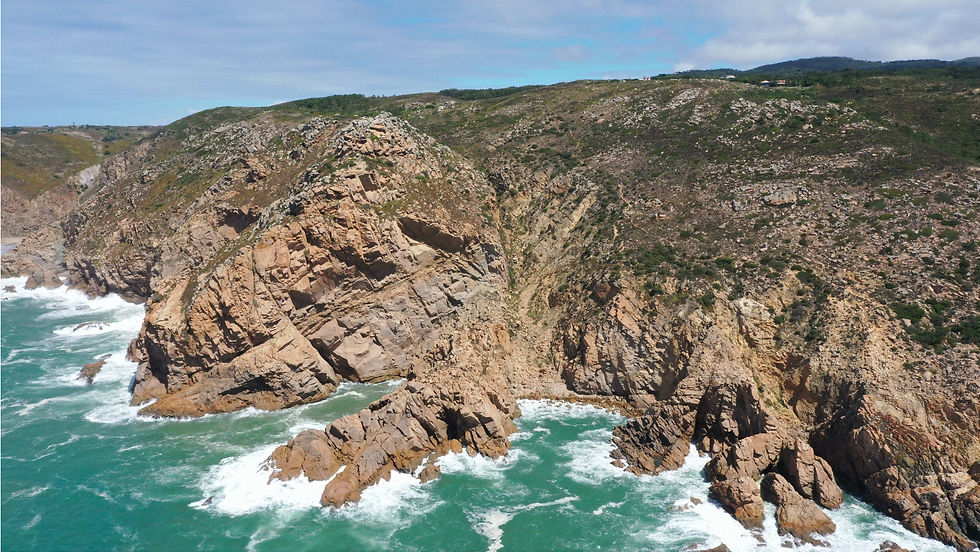
Forte do Espinhaço
Esta área abrange as baías e enseadas profundas a sul da Baía de Assentiz, estendendo-se até à parede principal do Espinhaço e às enseadas abaixo dela. As imponentes falésias — repletas de extraprumos — da Baía do Terror, do Setor Perdido e da parede principal do Espinhaço oferecem o terreno perfeito para escaladores que procuram testar a sério as suas capacidades. Quem procura simplesmente passar um bom momento a escalar, ou quer aprender a colocar material de proteção, encontrará ótimas opções no Penedo do Boi, na Força na Verga ou no Bloco Superior.
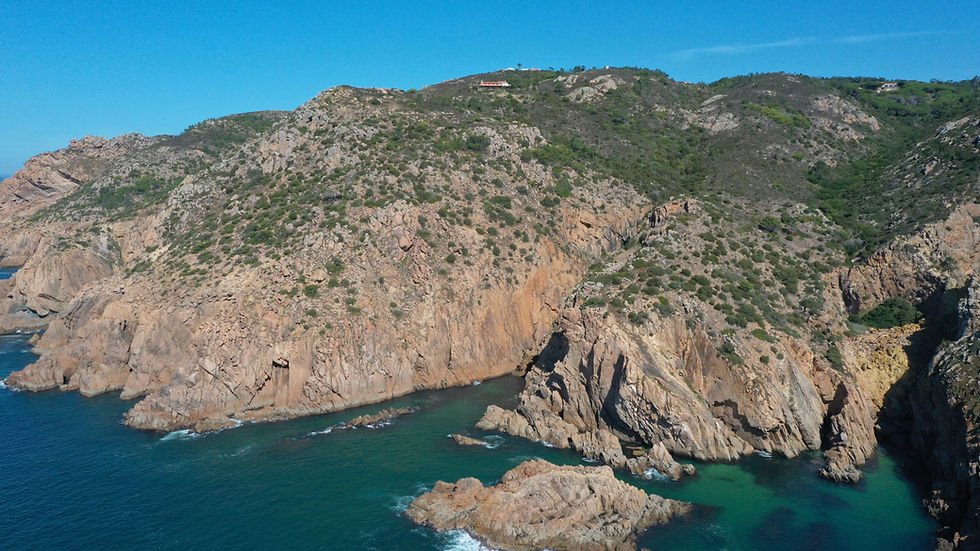
Casa da Pirolita
Um aglomerado de pequenas baías, enseadas e falésias escondidas que acolhe numerosos sectores de escalada com vias de qualidade - na sua maioria tradicionais, com alguma escalada desportiva - que se estendem desde a região sul do Espinhaço até à Baía das Caixas. A maioria dessas vias foi desenvolvida no final da década de 1990 e início de 2000 por um grupo dedicado de entusiastas. Um reconhecimento especial vai para Paulo Roxo, que estabeleceu mais de metade das linhas existentes, ao lado de notáveis escaladores como João Dinis, Ricardo Quintas, Victor Viana, Vasco Candeias, Yolanda Sanfont, Manuel Valério e Francisco Ataíde. Nos últimos anos, escaladores como Nuno Pinheiro, Daniela Teixeira, Filipe Costa e Silva e João Gaspar expandiram a área com novas vias.
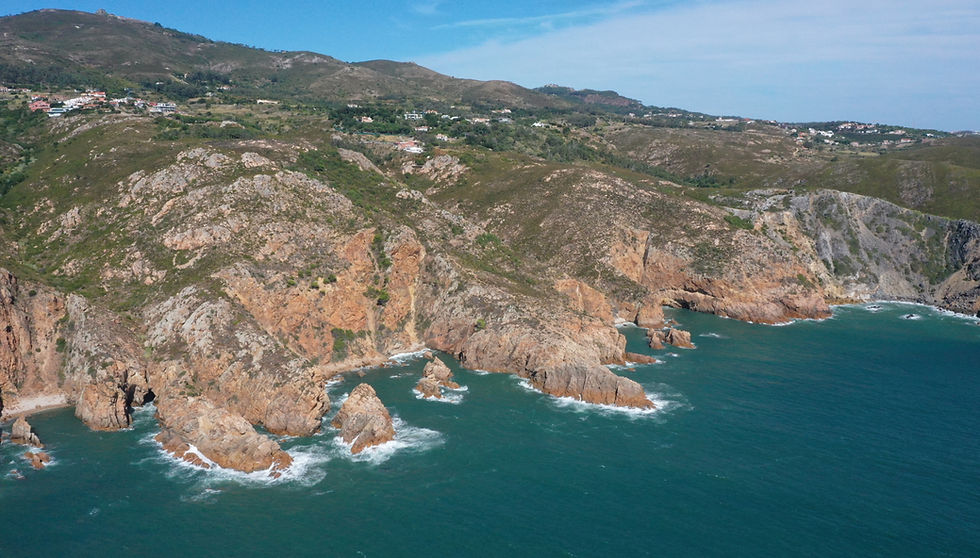
Biscaia
Estas arribas foram das últimas a serem exploradas no Cabo da Roca. Fernando Pereira é sem dúvida a figura principal destas recentes explorações. Ao lado de escaladores como João Gaspar, Nuno Pinheiro, Timóteo Mendes, Dulce Godinho, António Afonso e António Vale – e por vezes sozinho – Fernando deu vida a muitas novas vias e aventuras que poderemos desfrutar.
Esta área recentemente desenvolvida está dividida em três zonas: Biscaia, Tornadinho e Figueira do Guincho.

Guincho
As placas de xisto de Cinzentos estiveram entre as primeiras paredes a serem exploradas no início da década de 1980. Atualmente um local de escalada abandonado, no início dos anos 80 era uma área de recreio popular para os escaladores da região. Estas placas foram usadas em alguns dos primeiros cursos de escalada realizados na época, como mostram várias fotos antigas. Escalada à frente com colocação de pitons, escalada em top rope, rapel, etc., eram manobras ensinadas a iniciantes nestas paredes. No entanto, devido à má qualidade da rocha, esta área de escalada acabou por cair no abandono e agora recebe pouquíssimas visitas de escaladores.
O Cabo da Roca está dividido em oito áreas de escalada.
Essas áreas contêm diversos setores.
Saiba mais sobre os setores, restrições, condições das ancoragens, altura das vias e tipo de rocha de cada área abaixo.
ÁREAS DE ESCALADA DO CABO DA ROCA
bottom of page