Legendas
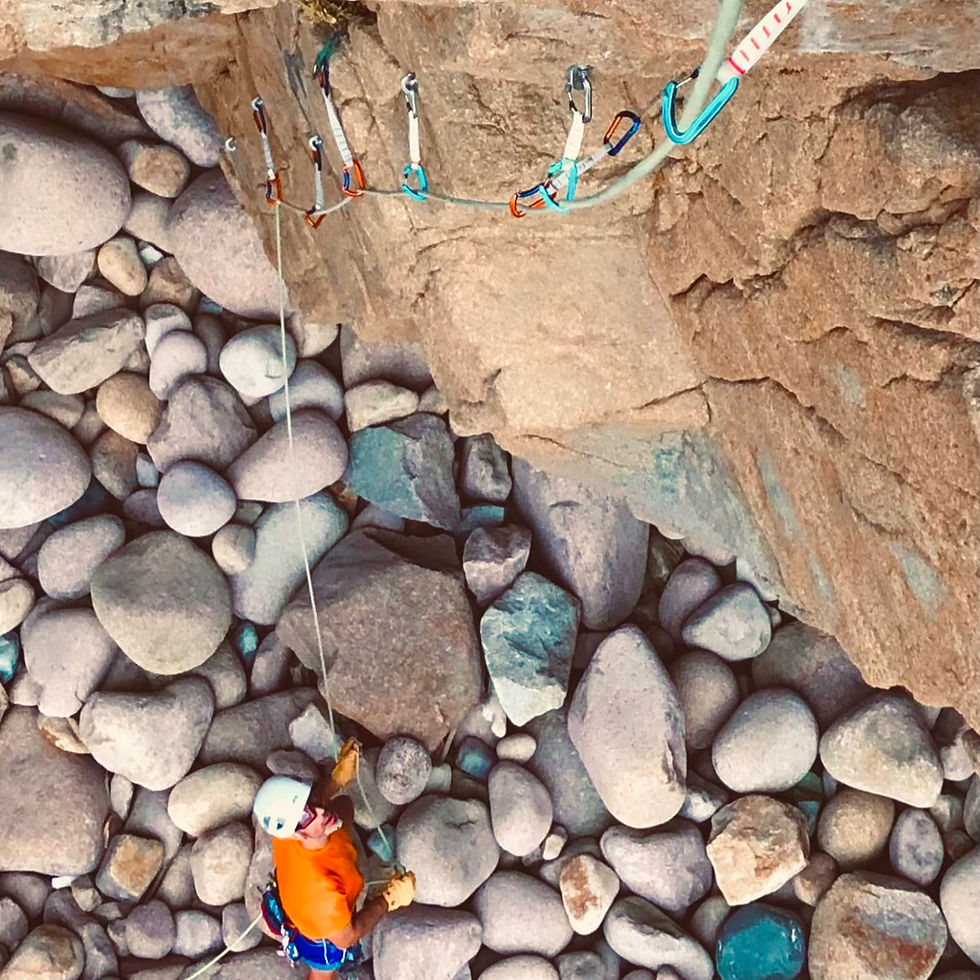
Escalada Desportiva
As vias totalmente equipadas no Cabo da Roca são geralmente de um largo.
Embora algumas vias de escalada com vários largos incluam um ou mais largos totalmente equipados, não existem vias de escalada com várias largos totalmente equipados na área.
Nos croquis, as vias de escalada desportiva estão indicadas por linhas vermelhas.
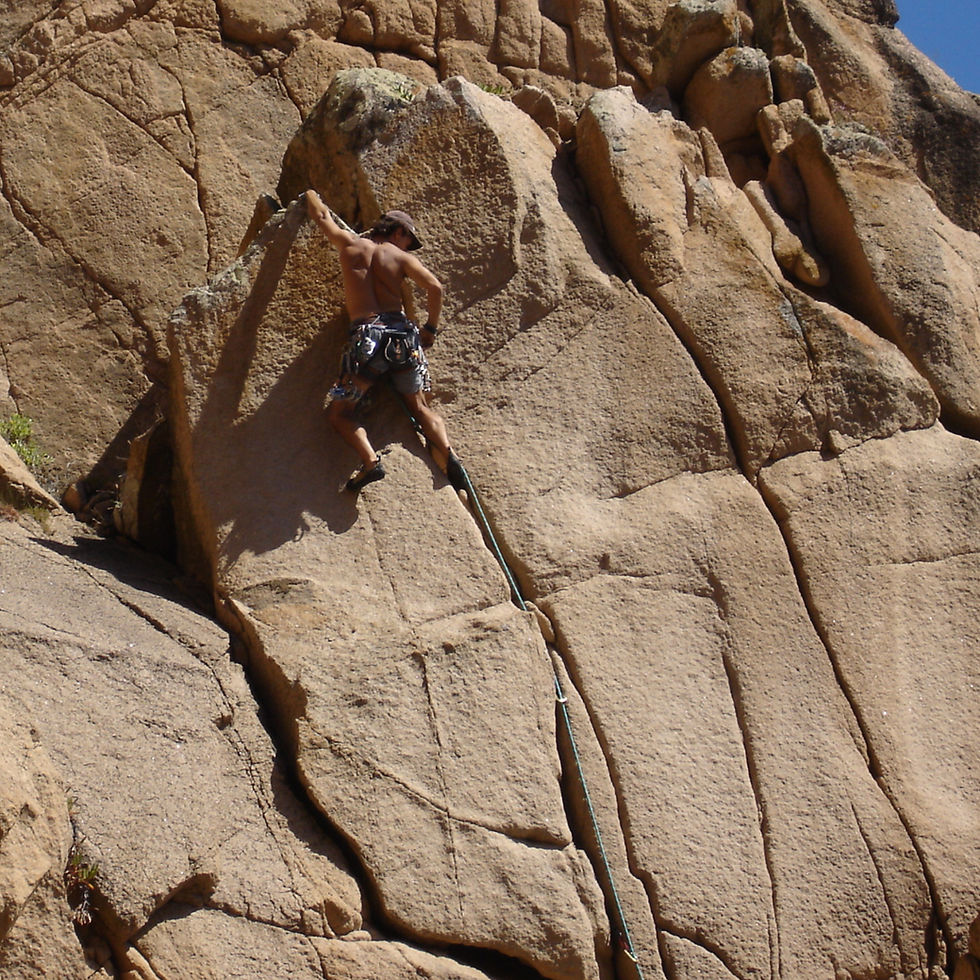
Escalada Tradicional
As vias tradicionais são protegidas exclusivamente com equipamento removível. Os escaladores não encontrarão proteções fixas, exceto em reuniões ocasionais em vias de largos ou reuniões para descida. A proteção baseia-se principalmente em friends ou micro friends, sendo que também os entaladores offset são particularmente úteis. O uso de pitons caiu em desuso — danificam a rocha, levam tempo para serem colocados ou removidos, e quando deixados no local (por exemplo, em reuniões), deterioram-se rapidamente devido ao ambiente marinho altamente corrosivo.
Nos croquis, as vias tradicionais são indicadas por linhas verdes.

Escalada de Aventura
São vias onde a proteção alterna entre equipamentos fixos e removíveis — frequentemente dentro do mesmo largo de escalada.
Este estilo pode ser encontrado tanto em vias de escalada de um largo quanto em vias de escalada de vários largos.
Dependendo da interpretação do aperturista da via sobre a qualidade da rocha, o nível de exposição e o risco percebido, os largos de escalada podem ser:
-
amplamente equipados, necessitando apenas de algumas proteções móveis , ou
-
predominantemente escalada tradicional, com apenas algumas proteções fixas em secções cruciais ou de alto risco.
Este estilo de escalada com proteção mista é a forma predominante de escalada no Cabo da Roca, geralmente referido localmente como “escalada clássica” — um termo provavelmente importado de outros países europeus, como Espanha ou França, que influenciaram fortemente a escalada portuguesa.
Nos croquis:
-
As vias de aventura são indicadas com uma linha verde, e
-
Os pontos de ancoragem fixos ao longo dessas vias estão marcados com um asterisco vermelho.

Escalada Artificial
Em vias onde é difícil (ou impossível) escalar em livre e com segurança usando apenas equipamentos removíveis, os escaladores dependem do equipamento não apenas para proteção mas também para progressão, usando estribos e outros dispositivos para se mover pela parede.
No Cabo da Roca, as vias puramente de escalada artificial encontram-se apenas na Parede do Espinhaço, na Parede das Tormentas e nas Arribas Direitas. Alguns largos intermédios de vias do Espinhaço foram originalmente escalados com auxílio de técnicas artificiais e posteriormente "conquistados" em livre (e ainda hoje podem ser escalados tanto em livre quanto em artificial). Vias como a Cuba Livre (L3), Paralelismos e Heróis da BD foram ascensões efectuadas unicamente em artificial.
Existem aproximadamente sete vias de escalada artificial completas no Cabo da Roca, além de muitos largos individuais que já foram liberados.
Nos croquis:
-
As vias de artificial estão indicadas com uma linha amarela.
-
As vias que antes eram artificiais, mas que foram posteriormente liberadas, agora estão indicadas em verde.
-
Por exemplo, uma via marcada como 6c (A1/6a+) significa que esta pode ser escalada em livre com dificuldades até 6c, ou com auxílio de equipamentos de escalada artificial em A1, com alguns trechos obrigatórios de escalada livre até 6a+ entre esses dois extremos.

Bloco
O Bloco consiste na escalada de linhas curtas (normalmente chamadas de problemas), geralmente até 4 a 5 metros de altura, ascendidas sem cordas, utilizando-se colchões de segurança como proteção em caso de queda.
Nos croquis, os problemas de Bloco são indicados com uma linha azul.
Ética e Estilos
Diversos estilos de escalada coexistem nas falésias do Cabo da Roca.
Embora as primeiras ascensões da Ursa, Noiva e as escaladas iniciais nos Cinzentos tenham sido realizadas em estilo puramente tradicional (sem o uso de pontos de ancoragem fixos), o Cabo da Roca evoluiu em paralelo com o desenvolvimento mais amplo da escalada em Portugal. Como resultado, a área agora inclui uma mistura de vias totalmente equipadas, vias semi-equipadas (com ancoragens fixas em secções expostas ou sem proteção, de acordo com a opinião dos autores das vias) e as linhas tradicionais, que não possuem ancoragens fixas, exceto nas reuniões.
As primeiras vias foram abertas sem ancoragens fixas — não por um compromisso deliberado com a ética da escalada limpa, mas simplesmente porque não haviam outras opções disponíveis na época. Os pitons eram colocados durante a escalada pelo primeiro de cordada e removidos pelo segundo escalador, já que eram escassos e necessários para o próximo largo ou para uso em vias futuras.
Com o advento do Spit e, posteriormente, de berbequins a bateria e de parafusos de expansão, começaram a surgir vias semi-equipadas e totalmente equipadas, seguindo tendências e influências trazidas do exterior, particularmente dos Alpes Franceses e das falésias do sul da França.
As gerações mais recentes que vieram para escalar as vias mais antigas fizeram um esforço consciente para libertar largos anteriormente escalados em artificial e, sempre que possível, escalar sem depender de pitons ou pernos existentes (o que, em alguns casos, levou até mesmo à sua remoção). Estes também abriram novas vias em todos os estilos: desportivo, tradicional, de aventura e artificial.
O boulder chegou mais tarde ao Cabo da Roca. Embora a Praia do Cavalo seja um sector de boulder de nível internacional, a área do Cabo da Roca como um todo — apesar da grande quantidade de rocha — não é o local mais adequado para esta modalidade.